Sanitation in Agriculture
Hygiene is critical in livestock management, as it maintains a healthy environment for animals, ensuring their health, wellbeing, and productivity while protecting consumers and the people who care for them.
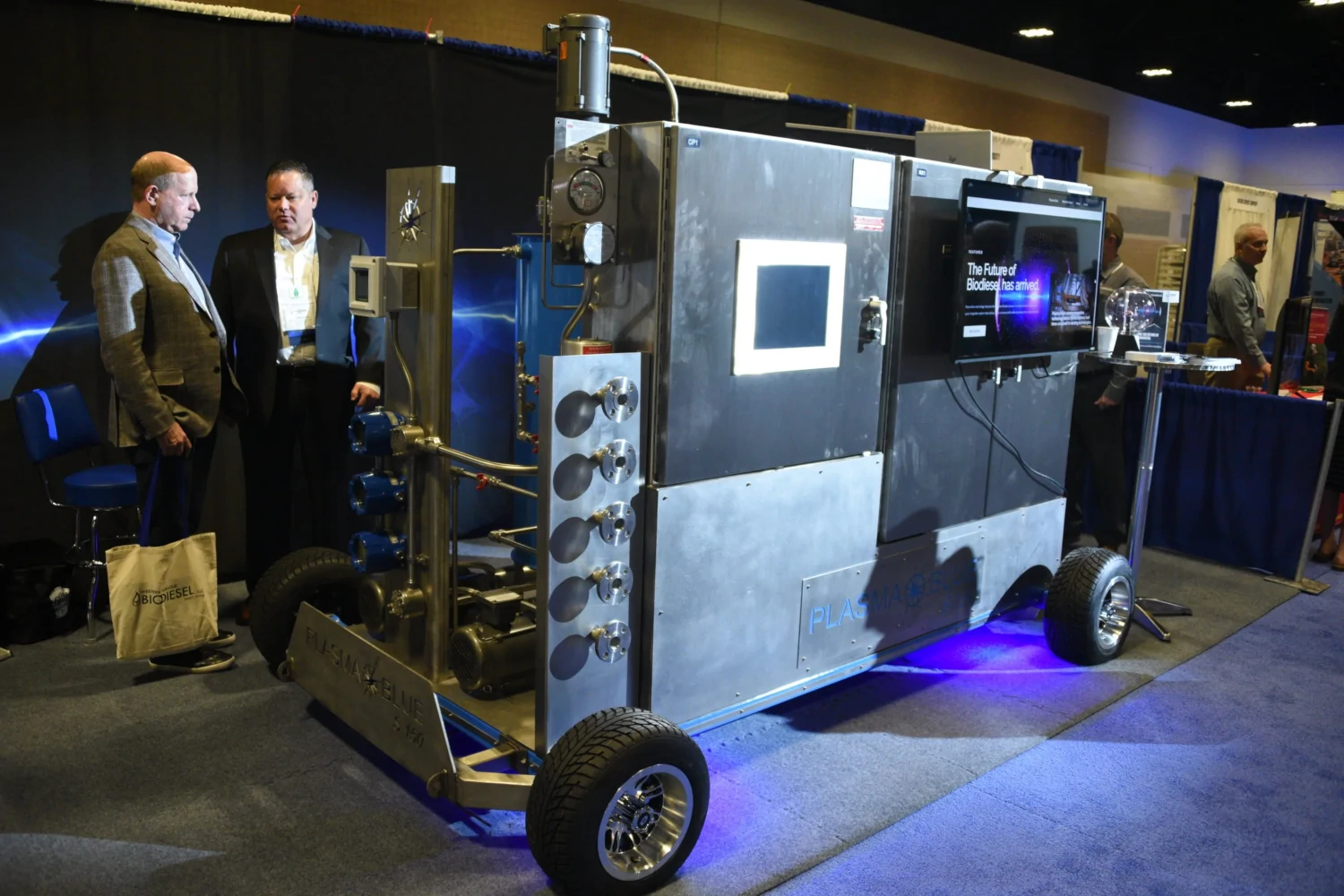
Today, sanitization of living spaces, facilities, equipment, water, etc. requires two steps: cleaning and disinfection. Cleaning removes debris, like manure and dirt, while disinfection kills harmful bacteria and viruses. With Plasma Blue, the current use of chemicals used in the sanitation process can be drastically reduced.
Sanitation is important to modern farming operations, which have seen increased animal densities on farms. Increased density expands the risk of infection by making spreading easier and faster. Controlling disease spread is critical in preventing animal death and maintaining animal productivity (i.e., milk produced, eggs laid, weight gained). Finally, animal infections can spread directly to people, including to people who care for the animals or consume milk, meat or eggs. As a result, limiting infections in farm animals directly protects human health.
Plasma Activated Water (PAW) is a technology that uses plasma to modify water’s properties and create a solution with reactive oxygen and nitrogen species (RONS). This activated water is then used in various applications like food processing, agriculture, and biomedical fields. Plasma Blue utilizes Plasma Activated Water to sanitize livestock units.
Plasma Blue has developed a technology that can help control harmful bacteria and viruses, which cause disease on farms. First, the unit produces PAW. PAW can be used on pens, stalls and cages, equipment, floors, water buckets, etc. Early tests indicate that PAW can reduce viruses and bacteria on surfaces by >99%. Reducing bacteria and viruses ensures there are fewer opportunities for animal infection (Figure 2). In addition to generating PAW, the unit can also treat contaminated water directly. Treating water kills harmful bacteria or viruses, thus reducing diseases spread through water.

Uses Under Development
Everyday we’re learning more about the myriad capabilities of Plasma Blue. We’re continuing to research how Plasma Blue can be used in the following ways:
Chemical Formation
(ex. Estolides)
Gasification
Nanoparticle Research
Destruction of PFAS
Plasma Blue Works for Agriculture

Target Pathogens:
- Fusarium spp.
- Pythium spp.
- Phytophthora spp.
- Rhizoctonia spp.
- Xanthomonas spp.
- Clavibacter michiganensis
- Plant viruses, such as yellow mosaic viruses and others
- Any other pathogen in the root zone
Possible markets: California, Peru, Chile, Spain, The Netherlands, South Africa, New Zealand, etc.)
Plasma-activated water can also be used to clean the irrigation system of algae. With potential markets, any crop that can be irrigated.
Improving germination and killing pathogens. Depending on seed type, this could be a valuable tool. For wet seeds, such as watermelons, tomatoes, cucumbers, and melons, it could serve as a powerful alternative to routine seed disinfection. Additionally, the water used for cleaning can also be treated to reduce the risk of pathogens such as Fusarium, mosaic yellow virus, Xanthomonas, Clavibacter, etc. In the seed industry, there are instances where water used for seed cleaning has caused surface contamination or contributed to the rejection of seed lots. Plasma-activated water might be a viable option.
Direct crop spraying: Plasma-activated water, when applied at a proper rate, can reduce pathogen activity on the plant surface as a contact fungicide. It has similar properties to chlorothalonil, mancozeb, or other copper-based products, such as copper hydroxide and copper oxide. This could greatly benefit organic production and could be used as a preventive measure several times during the season.
It could be used to treat fruit before packaging, such as apples, berries, cherries, and sugarbeets, for tomato paste. This could significantly decrease the use of disinfectants before consumers, leaving no residue in fruit and food-grade vegetables. This is very important in California and Latin America in general.
Research Challenges
• Find the adequate plasma activated water rate to avoid affecting root growth, foliage, and seed germination of wet and dry seeds.
• Evaluate the control activity against soil-borne and foliar pathogens to determine the rate and spray frequency of plasma-activated water.
• Evaluate the effect of plasma-activated water on all crop families in production.
This research involves simple trials.
Remember, it is a product that can kill fungus, bacteria, viruses and algae, but without chemical residue. The only alternatives to control these pathogens are copper-based products. These are no longer used extensively in agriculture for well-known reasons.
Plasma Blue.
Results You Can See.
A revolutionary process technology company that focuses on harnessing the power of plasma to create reactive species that can effectively disinfect water, remove contaminants and improve water quality.