We've been told that per- and polyfluoroalkyl substances (PFAS), "forever chemicals" are just that, forever. We've been told PFAS causes health issues, found widespread from contamination; in our drinking water and rivers and lakes and more. This is an overwhelming issue to take on.
PFAS was invented in the 1940's and has plagued our lives ever since. Something that brought new invention has wracked havoc. PFAS can cause health issues, contaminate the environment – effectively taking away from future generations and causing Everyday Risks.
In recent years concerns around the harm done by PFAS have brought regulations and a need for a solution to destroy these chemicals. A lot of companies have stopped using PFAS in manufacturing, but this is a slow process to fade out, and it leaves products in use out there to continue causing long term harm.
It starts in the place where you've been a million times, a place filled with memories like the splash pad, the lake by your grandparent's home, your favorite fishing spot and more. Those moments take a turn when PFAS are revealed as the unseen risk. PFAS isn't just out there. It's in the water we rely on. It begs the question: What will we do to keep our families and communities safe? When and what will trigger us to act on PFAS and demand accountability?
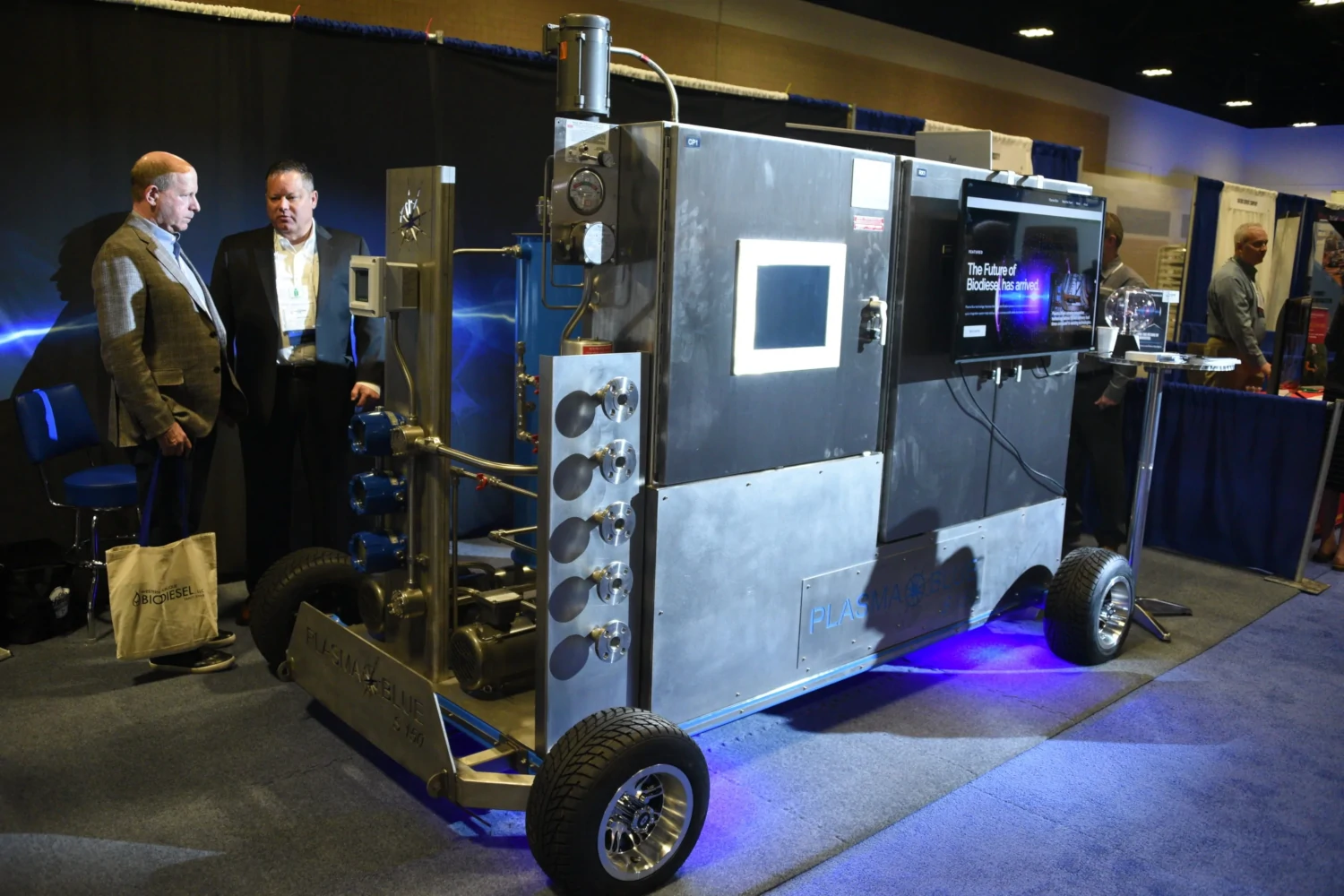
PFAS is a group of synthetic, man-made chemicals that are resistant to heat, water and oil, meaning they're considered "forever chemicals," but Plasma Blue offers a solution. At Plasma Blue, we destroy PFAS at the molecular level. We aren't passing the problem on. This is about protecting families today and making decisions communities can stand behind tomorrow. With Plasma Blue, controlling PFAS isn't a hope. It is what we deliver.


Using cold plasma and low energy on-site at landfills, the Plasma Blue technology can destroy PFAS below regulation levels. Where there was high contamination before, there is now cleaned water that no longer carries the dangers of PFAS, meaning it can be disposed of at a wastewater treatment plant.
Depending on the level of PFAS contamination, destruction costs below the regulated four parts per trillion and is as low as 10 cents per 1,000 gallons. Dramatically lower than all other systems.
Exposure to PFAS has been linked to a range of adverse health effects, including:
- Increased cholesterol levels
- Immune system effects
- Hormonal disruptions
- Increased risk of certain cancers
- Developmental issues in fetuses and infants
Widespread Contamination
PFAS have been found in drinking water supplies, food, and even in the blood of people and animals. This widespread presence raises concerns about the potential for long-term health impacts on populations.
Economic Impact
The presence of PFAS in water supplies and the environment can lead to significant economic costs related to water treatment, health care and environmental cleanup efforts.
The Environmental Protection Agency’s (EPA) recommended steps to reduce your PFAS risk.
Actions if you're concerned about PFAS in your public or well water:
- For a public water system, reach out to your local water utility to learn how they are addressing PFAS.
- Have the water tested for PFAS by a state-certified lab or ask for information if the water is tested.
- Contact your state EPA or health department for more information.
- Install an in-home water treatment/filter that is certified to lower PFAS levels.
- Use an alternative water source.
- Conduct regular well testing.
How to reduce PFAS risk:
- Avoid eating fish from waterways impacted by PFAS. Contact your state or tribal fish advisory programs to find out more information.
- Check your products at home if they contain PFAS by contacting the Consumer Product Safety Commission by visiting https://www.cpsc.gov/.
- Read the labels before purchasing products.
PFAS use continues going down, but some of the items below can contain PFAS along with others.
- Stain-resistant textiles
- Non-stick cookware
- Food & food packaging
- Household & personal care products
- Firefighting foam
- Medical supplies
Easy to Operate
- Push button operation
- Custom design for your locations
- Scale to your operation
Cost-Effective Solution
- No added chemicals
- Operates on standard electrical service
- Energy efficient
Advantages
- Low temperature, low pressure
- Works with concentrate technologies
- Small, easy to install