Plasma activated water: A new research tool for Minnesota agriculture
Plasma activated water (PAW) is gaining attention in agricultural research worldwide. Despite its name, PAW is simply water treated with cold plasma generated from electricity and air – similar to the processes of lightning, water and air. This process produces reactive oxygen and nitrogen species (RONS), such as hydrogen peroxide (H₂O₂), nitrate (NO₃⁻) and nitrite (NO₂⁻). These compounds have shown the potential to suppress plant pathogens and stimulate plant defense responses. Over time, these reactive compounds naturally break down, and the water returns to its original state without leaving chemical residues (Thirumdas et al., 2018).
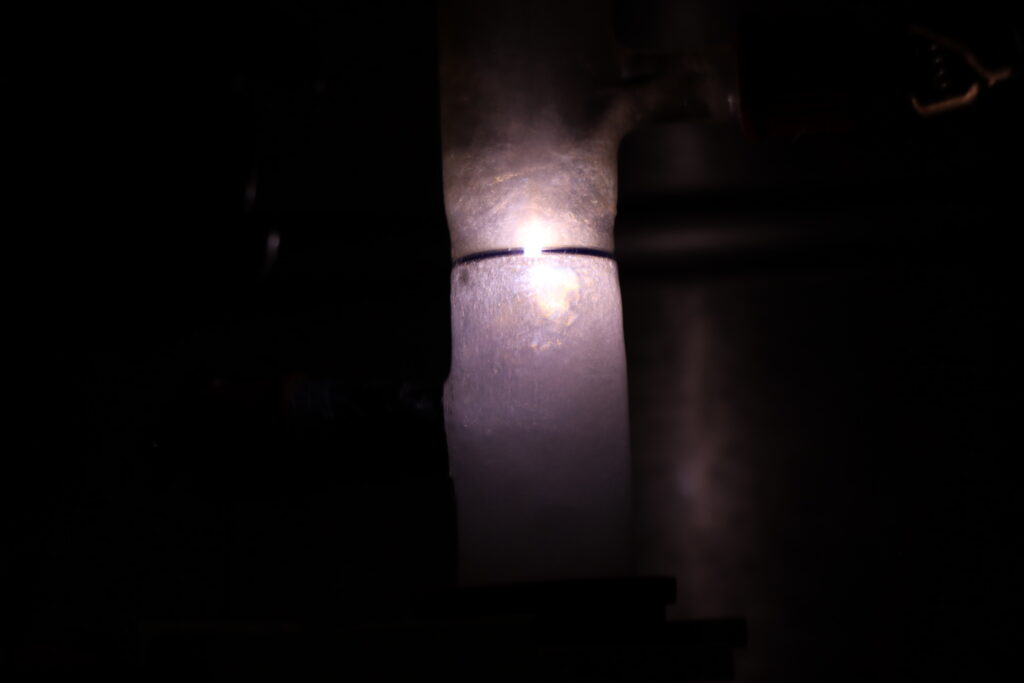
The reactor used on the Plasma Blue units that can create PAW.
Why is PAW important for agriculture?
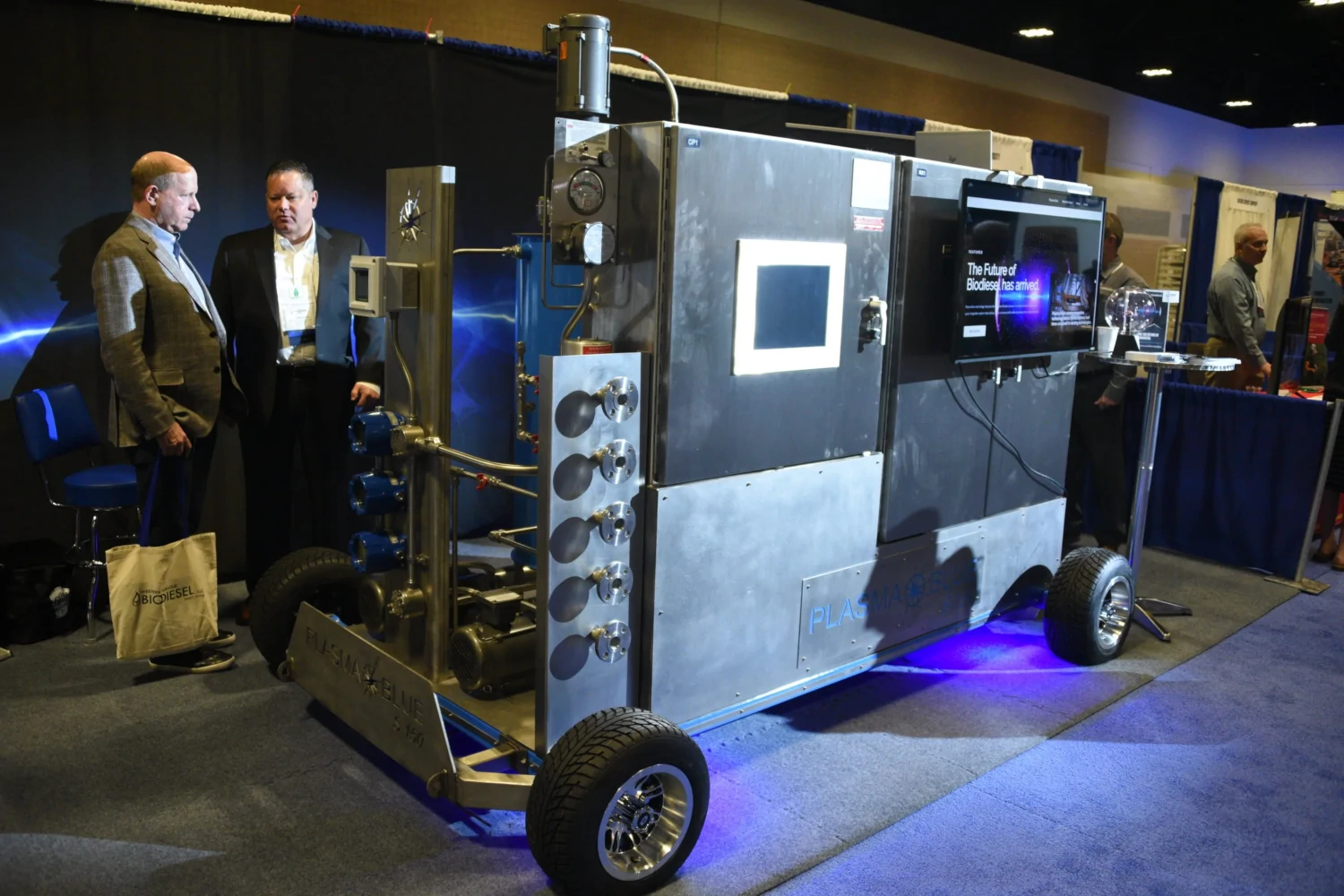
Crop production constantly faces new diseases, resistant pathogens and increasing pressure to produce higher yields in a sustainable and profitable way. These challenges have encouraged researchers to evaluate new technologies such as PAW. Plasma Blue has developed technology to create PAW in Minnesota, and together with the University of Minnesota and Minnesota Soybean Research & Promotion Council (MSR&PC), we are evaluating how Minnesota cropping systems respond to PAW under field conditions.
Peer-reviewed research has reported promising results across several crops. In wheat, PAW significantly reduced Fusarium head blight severity, lowered DON mycotoxin contamination and increased thousand-kernel weight. These results have been reported in studies conducted outside Minnesota and demonstrate the potential of PAW under disease pressure (Ju et al., 2023)
In tomatoes, PAW has reduced bacterial spot severity, increased natural defense hormones, improved plant defense gene expression and promoted seedling growth and vigor (Madian Perez et al., 2019). Adhikari (2019) has also reported benefits in seed germination, plant growth, postharvest quality and disease suppression in several horticultural crops.
Minnesota field research
Field research is currently underway in collaboration between Plasma Blue, the Southern Research and Outreach Center at the University of Minnesota and MSR&PC.
Current field studies include spring wheat with PAW applications at Feekes 6, 8 and 10, soybean applications at V2, V4, R1, R3 and R5, and weekly applications in broccoli, carrots and beets during the vegetative stage. This research is designed to evaluate crop safety, plant response and the potential agronomic benefits of PAW under Minnesota growing conditions.
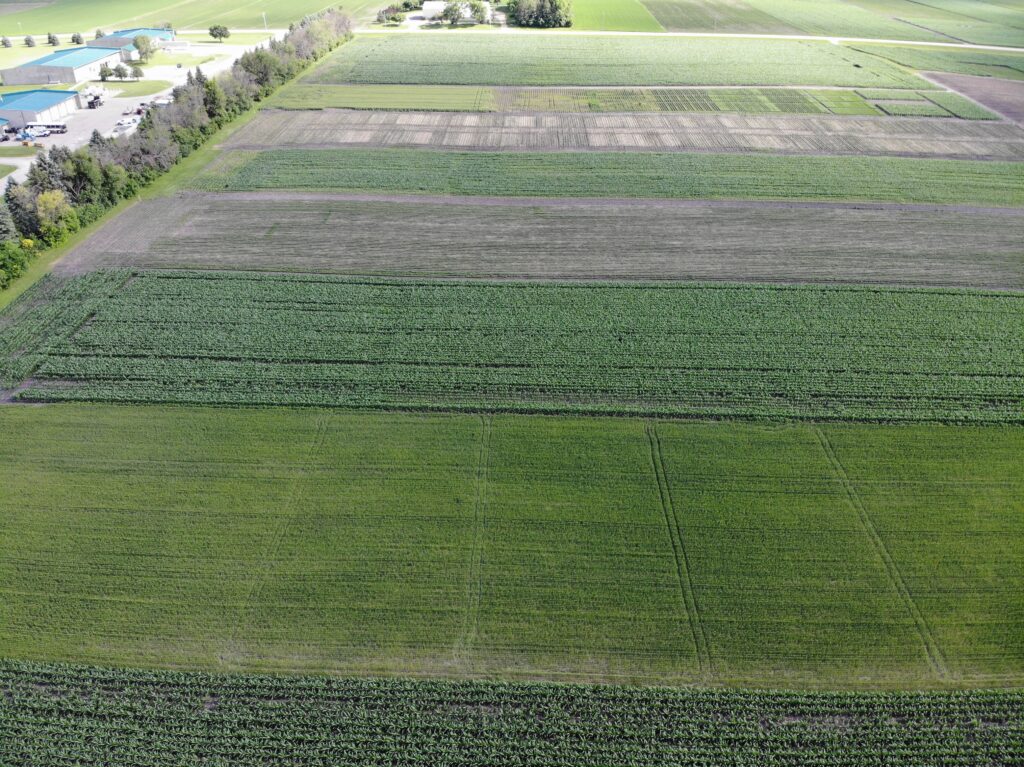
A drone image of a spring wheat research field in Waseca, MN that had PAW applied to it.
What have we learned so far?
Greenhouse studies using PAW with a pH of 2.5, electrical conductivity (EC) of 1.2 dS/m, and an oxidation-reduction potential (ORP) of approximately 550 mV showed no visible tissue damage on lettuce seedlings. These results gave us the confidence to begin field evaluations.
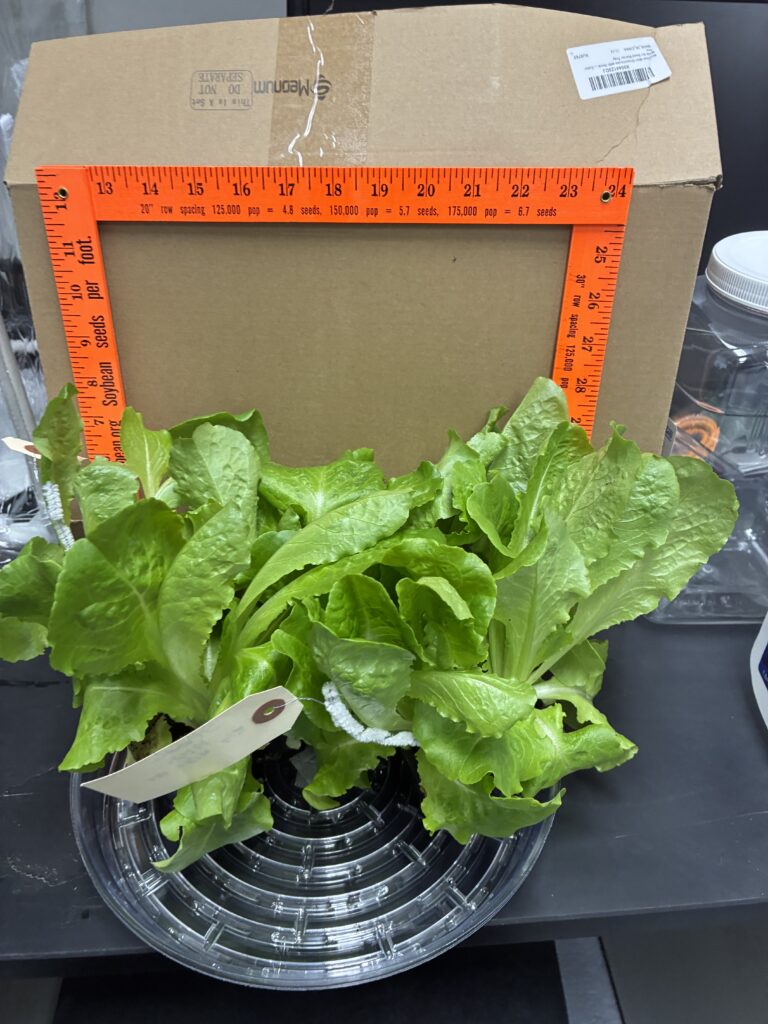
This lettuce plant is being measured and monitored for any potential damage done by PAW.
In wheat, disease pressure has been very low this season, and no differences among treatments have been observed so far. In soybeans, PAW has not caused any visible crop injury. We have observed slightly greater plant vigor in PAW-treated plots, although these observations have not yet been statistically analyzed. Applications in broccoli, carrots and beets are beginning, and all experiments will be evaluated at the end of the growing season.
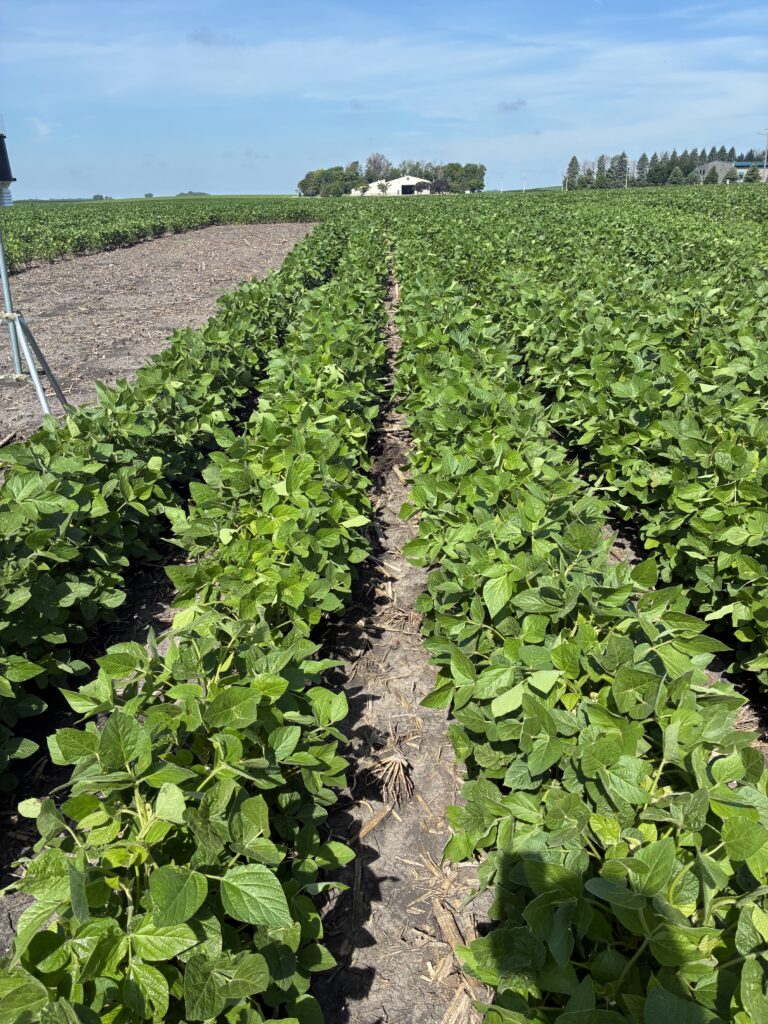
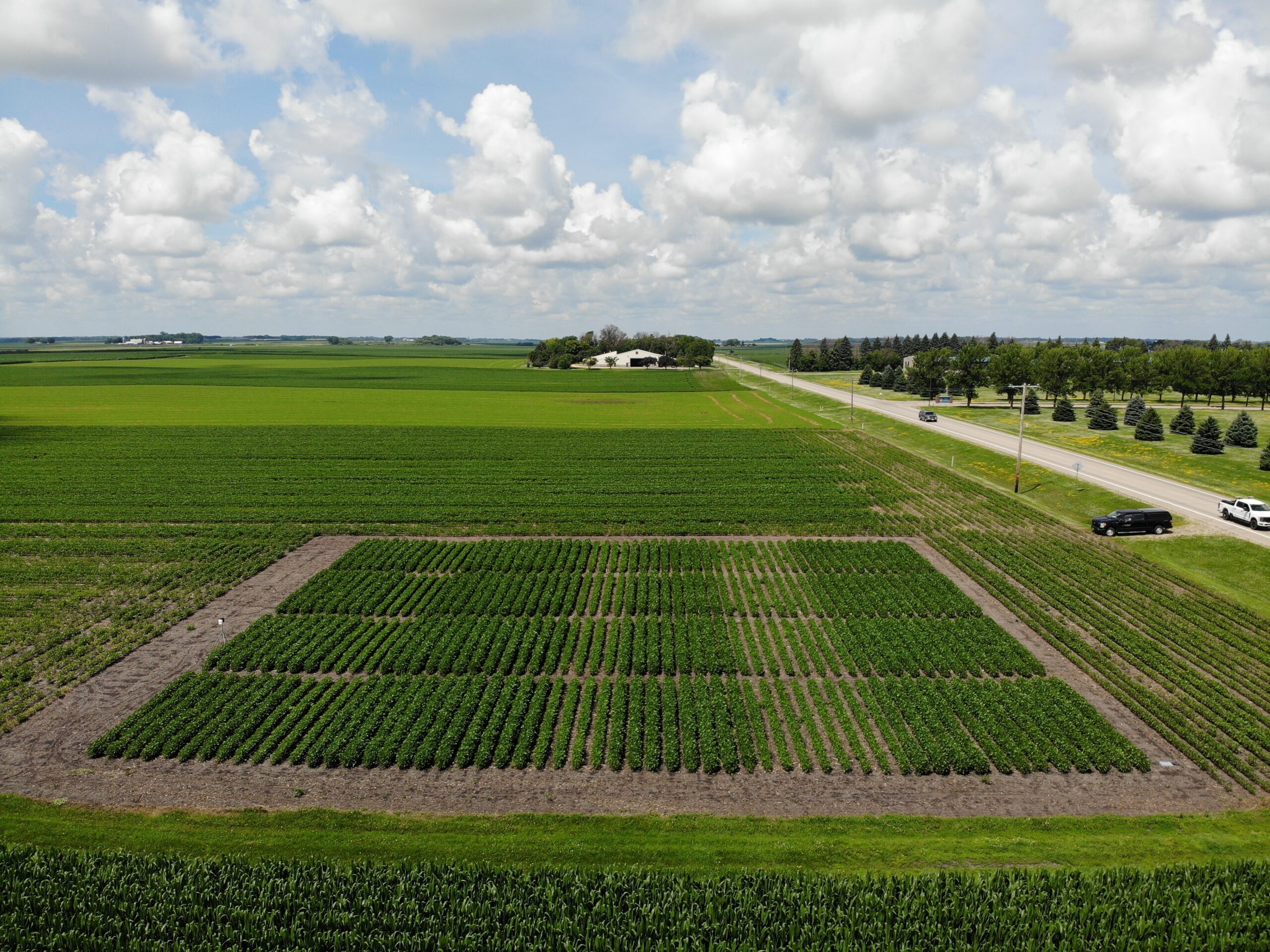
This image shows a portion of a soybean field in Waseca, MN treated with PAW.
Looking ahead
PAW is an exciting technology with considerable research potential, but many questions remain. Our goal is to generate scientific data under Minnesota conditions and determine where this technology may provide value to growers. This is the first season of PAW field research in Minnesota, and we look forward to sharing the results as they become available.
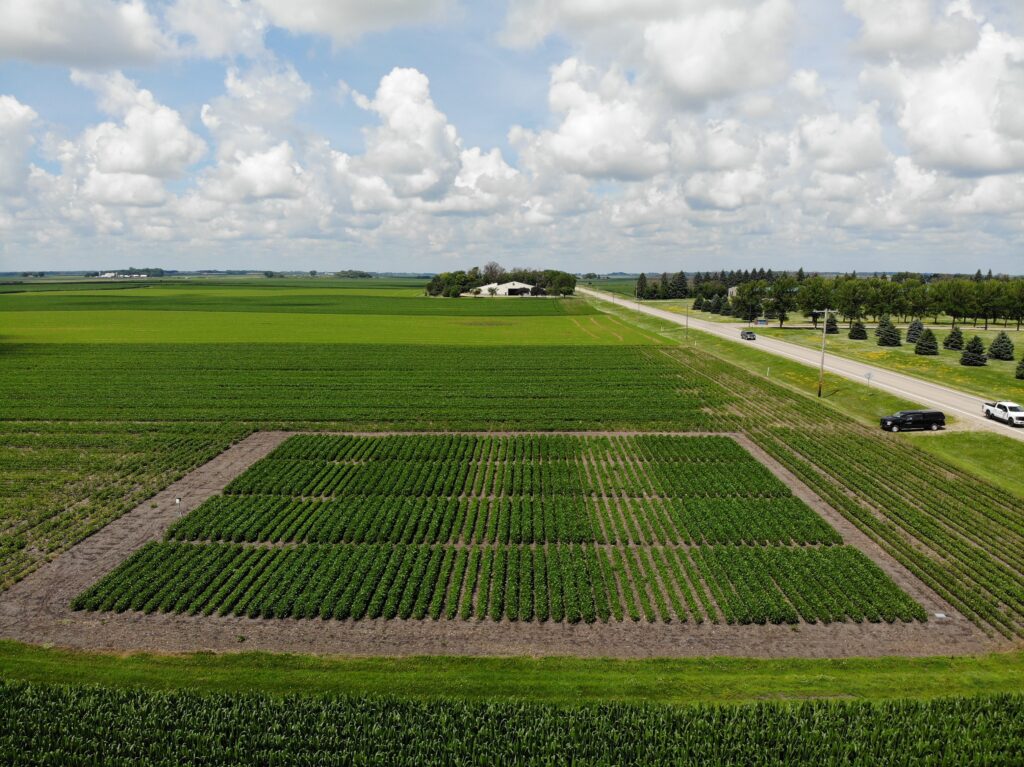
As research continues there is a schedule of vigorous data collecting at the Waseca SROC location.
Written by: MSR&PC Director of Research Sergio Cabello Leiva.