
Plasma Blue, LLC

What are PFAS?

Per- and polyfluoroalkyl substances (PFAS) are a group of synthetic, man-made chemicals that are resistant to heat, water and oil. They are also known as “forever chemicals” because they don’t break down in the environment. They’re a man-made chemical produced using electrochemical fluorination (ECF) and fluorotelomerization. This process utilizes extra heat and pressure to create a fluorotelomerization bond. This bond is one of the hardest to naturally break in chemical bonds.

Industries used PFAS extensively in everyday products for decades, including clothing, carpet, cookware, food packaging and firefighting equipment and foam. While these “forever chemicals” are very effective for their intended uses, the unintended consequences are substantial.

firefighter with Foam, AFFF, PFAS destruction, PFAS destruction, forever chemicals

Why PFAS are Considered Problematic

PFAS do not break down easily in the environment, leading to widespread contamination of soil, water and air. They have many C-F bonds, which require a log of energy to break and enable PFAS destruction. They can accumulate in the environment and in the bodies of living organisms over time.
Exposure to PFAS has been linked to a range of adverse health effects, including:

  • Increased cholesterol levels
  • Immune system effects
  • Hormonal disruptions
  • Increased risk of certain cancers (such as kidney and testicular cancer)
  • Developmental issues in fetuses and infants
PFAS have been found in drinking water supplies, food, and even in the blood of people and animals. This widespread presence raises concerns about the potential for long-term health impacts on populations.
The complexity of PFAS chemistry and the sheer number of different compounds in this group make regulation difficult. While some PFAS have been phased out, many others remain in use, and there is ongoing debate about how to best manage and remediate contaminated sites.
The presence of PFAS in water supplies and the environment can lead to significant economic costs related to water treatment, health care and environmental cleanup efforts.

PFAS are most commonly found in fire training/fire response sites, industrial sites, landfills, military sites and wastewater treatment plants/biosolids. Frequently, this contamination arises from advanced firefighting foam (AFFF) utilization, meaning many sites with AFFF storage tanks and other fire suppression infrastructure need PFAS removal.

AFFF was the primary tool effectively controlling fuel and flammable liquid fires. In the U.S. there is up to 4.6 million gallons of AFFF concentrate stored by military and other industries. This means hundreds of millions of dollars of impacted infrastructure. A cost-effective solution to decontaminate this equipment and the locations is urgently needed.

Cleaning facilities where PFAS is found can be costly. Those facilities are also at a greater risk of being shut down by the state of Minnesota due to state regulations.

How one company introduced PFAS and the ramifications

PFAS Regulations

Minnesota continues to make substantial progress in regulating PFAS. Starting Jan. 1, 2025, intentionally added PFAS is no longer allowed in 11 product categories. These categories include:

  • Carpets or rugs
  • Cleaning products
  • Cookware
  • Cosmetics
  • Dental floss
  • Fabric treatments
  • Juvenile products
  • Menstruation products
  • Textile furnishings
  • Ski wax
  • Upholstered furniture

Monitoring PFAS at Landfills

Federal regulation of PFAS is 4-10 parts per trillion (ppt). The Minnesota Pollution Control Agency (MPCA) made significant efforts to detect PFAS at landfills across the state. MPCA tested for PFAS in groundwater at 102 closed landfills statewide, finding PFAS contamination at 100 closed landfills. Of these, 62 closed landfills were found with PFAS levels exceeding Minnesota Department of Health (DOH) drinking water guidelines.

How does Plasma Blue technology ensure PFAS removal?

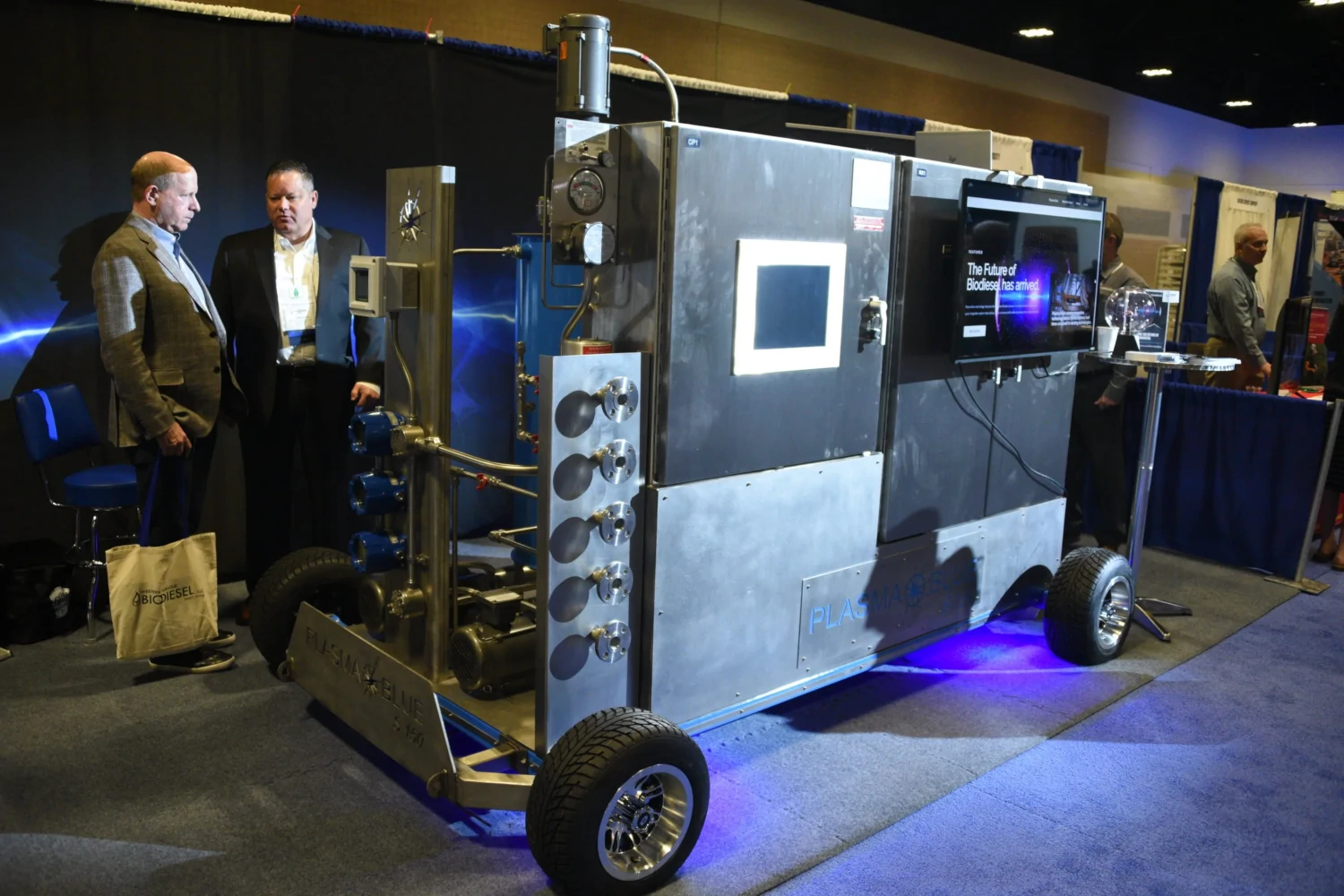
Plasma Blue is a destructive technology. The use of cold plasma translates to lower energy use and ultimately cost savings while still destroying PFAS or mineralizing it into carbon and fluorine. Plasma Blue destroys PFAS and has other developmental uses. Temperatures in our process only reaches around 100 degrees Fahrenheit and the PSI level of our system operates around 130psi. Low levels ensure the system is safe for operators and the infrastructure around them. Depending on the level of PFAS contamination, destruction costs below the regulated four parts per trillion and is as low as 10 cents per 1,000 gallons. Dramatically lower than all other systems.

Plasma Blue.
Results You Can See.

A revolutionary process technology company that focuses on harnessing the power of plasma to create reactive species that can effectively disinfect water, remove contaminants and improve water quality.